Turning noise into value: ECD Munich 2026 recap
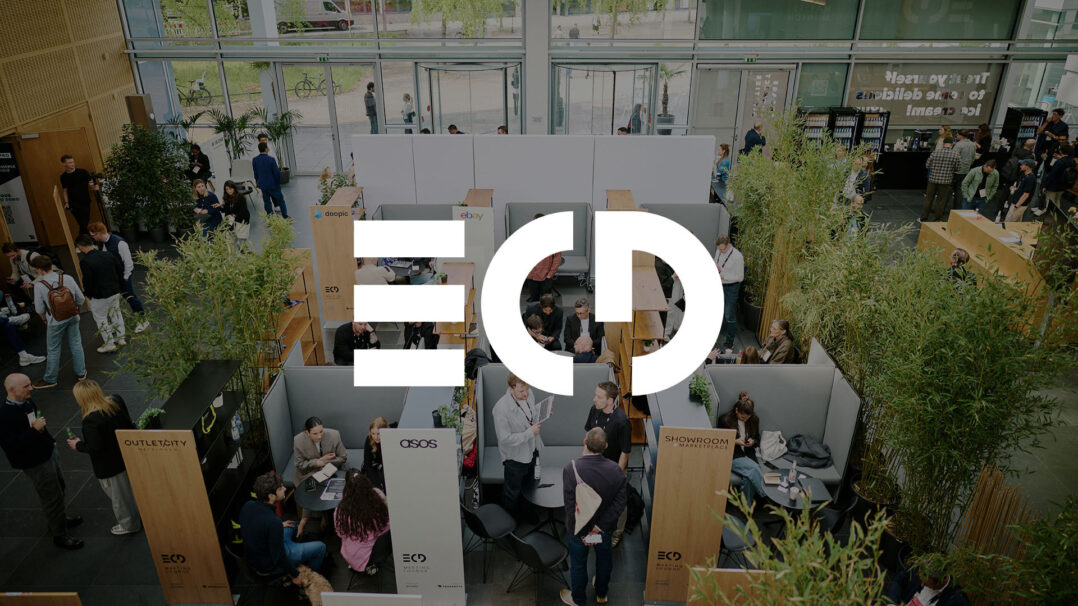
More than 600 attendees. Nearly 2,000 meeting requests and 470+ fixed meetings. Leaders from across the fashion and lifestyle e-commerce industry representing over 23 countries under one roof. This year’s ECD was our biggest yet. But the conversations on stage and off all came back to one core idea: in a world shaped by AI, the winners won’t be the businesses doing more, they’ll be the ones focusing on what matters most.
Key takeaways
- AI is reshaping discovery, heightening the need for data quality, curation, and trust. By 2030, up to 50% of traffic may come directly from AI agents.
- The shift from loyalty to belonging reinforces that human connection is a brand’s highest-value asset.
- Efficiency gains from AI should be reinvested into the community, turning operational cost savings into extraordinary real-world experiences.
Our CEO Matthias Schulte opened the day with a challenge to the industry: for years, retail and commerce businesses optimised for scale. More tools, more processes, more activity. But growth often hid inefficiency. AI is now exposing the difference between work that creates value and work that simply creates noise.
AI isn’t just about efficiency; it’s a forcing function, a moment of clarity. It enables businesses to stop doing the things that don’t move the needle and focus on what actually matters: creativity, judgement, relevance and human connection.
AI is changing commerce, but trust still wins
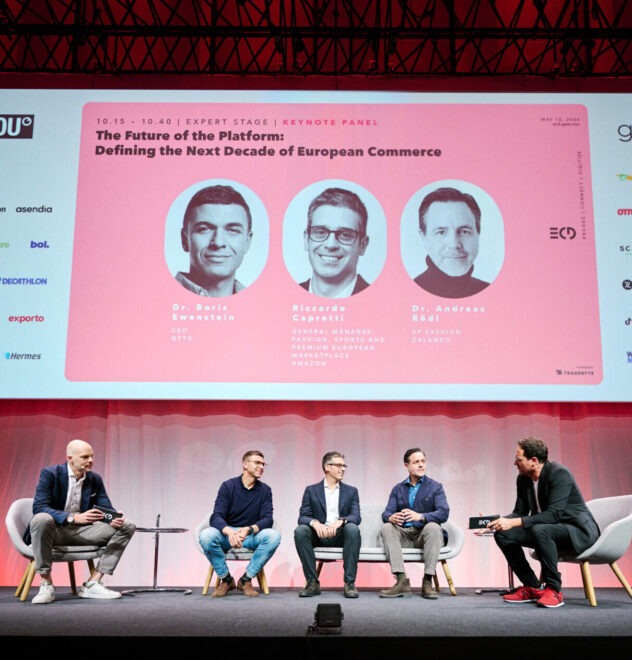
The opening keynote brought together leaders from Otto, Amazon and Zalando to discuss the next decade of European commerce. The consensus was that AI is transforming discovery, operations and decision-making, but trust, curation and brand identity will matter even more as a result.
For Otto, that means leaning into its understanding of everyday German life and building long-term customer trust in a market increasingly crowded with faceless sellers and duplicate products. Amazon, meanwhile, highlighted how GenAI is already reshaping shopping experiences at scale. Its size and fit tools have reduced returns by 70%, while brand storefronts are driving stronger conversion by giving brands more control over storytelling and identity. Zalando focused on removing complexity for brands through infrastructure and partnerships. As AI agents become a bigger part of the customer journey, platforms need cleaner data, better interoperability and systems designed for machine-to-machine commerce.
One prediction from Zalando stood out: by 2030, up to 50% of traffic could come through AI agents rather than traditional browsing journeys. That changes everything, from product data strategy to returns management.
The rise of belonging over loyalty
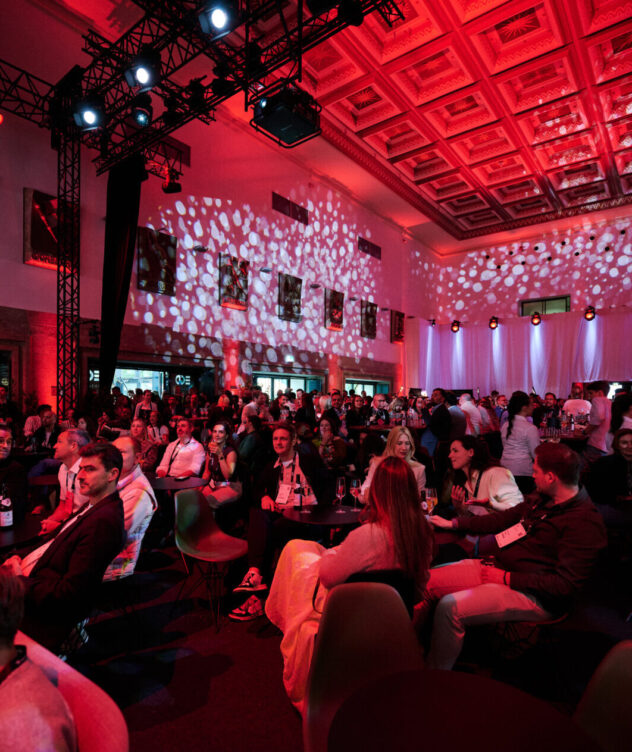
Another recurring theme throughout ECD was the shift from transactional commerce to emotional connection. Nike and Breuninger explored what modern membership really means. The answer wasn’t points schemes or discounts, it was belonging.
Nike discussed the importance of creating ecosystems customers genuinely want to be part of. Experiences need to feel personal, emotional and connected across every touchpoint, whether online, in-store or through apps and communities. Breuninger shared a similar philosophy. Products can be bought almost anywhere. What drives loyalty now, particularly at the premium and luxury end of the market, is service, relationships and memorable experiences that go beyond the transaction itself.
In a world where AI makes discovery and comparison easier, differentiation comes from how brands make people feel.
Specialist marketplaces gaining ground
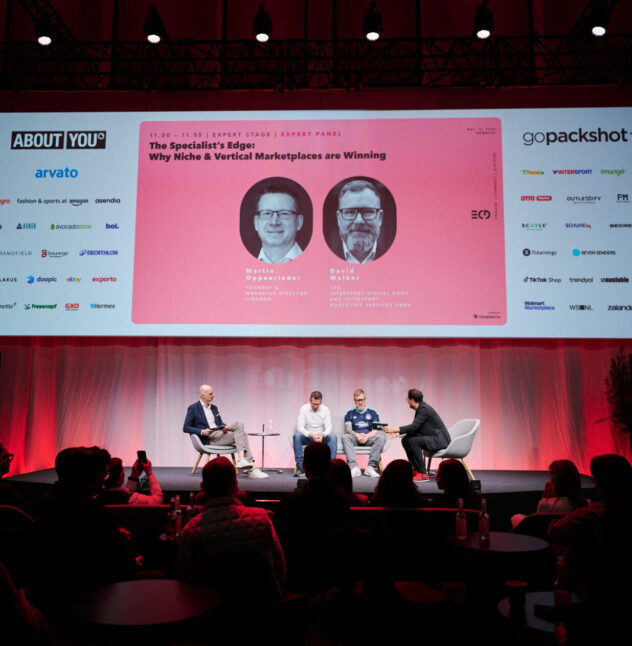
Generalist marketplaces may dominate scale, but niche and vertical platforms are increasingly winning customer attention. Leaders from Limango and Intersport discussed the power of contextual commerce and curated experiences.
For Limango, that means building around the specific needs of young families while carefully managing assortment quality as its marketplace grows. For Intersport, it’s about connecting digital commerce with physical retail, retail media and in-store experiences to create a true omnichannel ecosystem.
Both businesses pointed to AI-powered personalisation and discovery as key growth drivers, but neither framed AI as the product itself. Instead, the focus was on using technology to create more relevant experiences for specific customer communities.
Better data creates better commerce
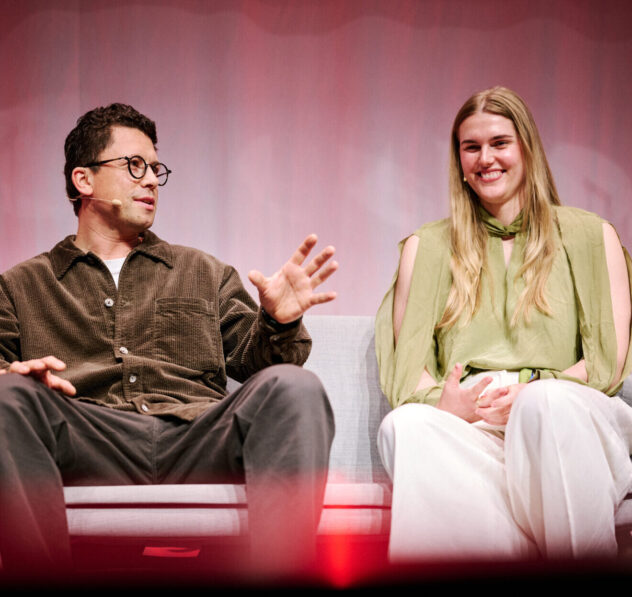
One of the strongest practical takeaways from the event came from the applied AI deep dive featuring SAIZ, GoPackshot and 7Learnings. The message was refreshingly honest: most businesses still underestimate how difficult good data really is. Whether it’s pricing, product imagery or sizing, poor data quality directly damages trust and conversion.
Speakers stressed that the biggest AI gains often come from solving very specific use cases rather than relying on giant all-purpose models. Data preparation, cleaning and normalisation still drive the majority of value.
“AI shouldn’t be treated as the why, but the how.”
Live shopping moving from experiment to strategy
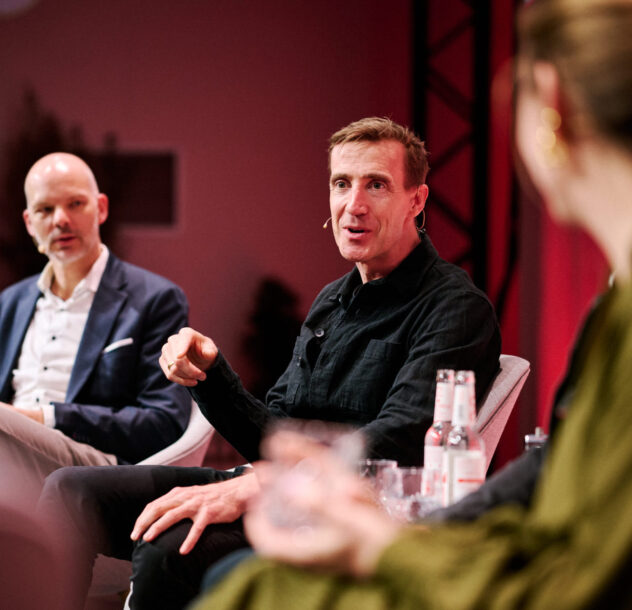
Live commerce was also discussed as a major growth area, particularly in Europe. TikTok Shop, eBay and We Are Superb explored how live formats are collapsing the traditional purchase funnel. Discovery, education, validation and conversion are increasingly happening in a single moment.
TikTok Shop Germany shared that Gen X now accounts for 37% of GMV on the platform, showing that live commerce has evolved far beyond early assumptions around Gen Z impulse shopping. Meanwhile, eBay described live shopping as one of the biggest shifts in its 30-year history, turning marketplaces into interactive broadcast environments built around storytelling, authenticity and trust.
The key takeaway? Live shopping isn’t just content with a checkout button attached. It’s a completely different style of commerce built around interaction, personality and community.
Scaling the zeitgeist: the new commerce playbook
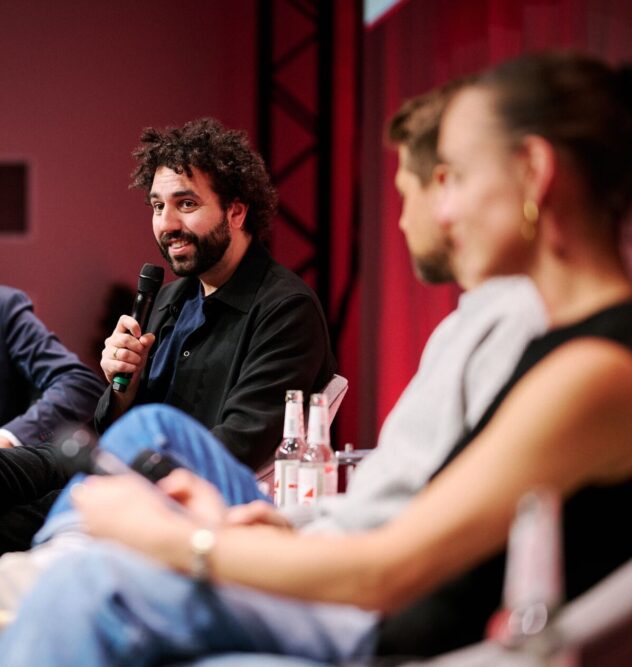
The shift toward emotional connection was also the core message of the session with Teveo, Purelei and ABOUT YOU.
In the highly digital reality we’re moving in, customers long for connection and want to feel heard. What matters most for brands is direct exchange with customers, actively asking what they wish for and co-creating products and experiences together with them.
Tarek Müller from ABOUT YOU reinforced the importance of reinvesting saved resources from AI-powered operations back into human connection. While AI acts as a massive cost-reduction driver – cutting content production costs by up to 90% and unlocking endless possibilities to test ideas – it shouldn’t just be pocketed as profit. By using AI to lower baseline costs, brands free up the necessary capital to organise community events and create experiences that strengthen the brand-customer connection immensely.
The future belongs to focused brands
Across every panel, one theme resonated. The future of commerce won’t be defined by who can create the most noise. It will belong to the businesses that create the most relevance.
AI will automate tasks, simplify discovery and reshape operations. But that only increases the importance of human creativity, trust, storytelling and emotional connection.
That’s why ECD matters: a space where the industry comes together to challenge ideas, share experiences and learn from each other openly.

Nina Fischer
Editor
Nina Fischer is an experienced content writer at Tradebyte, specialising in fashion and luxury e-commerce, marketplace growth, and social commerce.
news