Curating luxury on marketplaces: navigating the digital environment to reach Gen Z
Gen Z is redefining retail, forcing marketplaces to specialise in order to align with shifting demands. Discover how your luxury brand can strategically adapt its e-commerce strategy to effectively reach and engage with this new generation of consumers.
Key takeaways
- Gen Z is moving away from traditional brand loyalty. Instead of buying “total looks,” they treat curated marketplaces as digital mood boards to fuel their personal style.
- With 33% of next-gen luxury consumers using AI as their primary research tool, brands must shift to data-rich, high-fidelity indexing to stay visible within evolving search ecosystems.
- Curated platforms like FARFETCH – where 71% of the audience consists of Gen Z and Millennials – allow luxury houses to expand their global digital footprint while maintaining strict control over pricing, merchandising, and brand equity.
InsideR insight: how luxury brands scale at speed
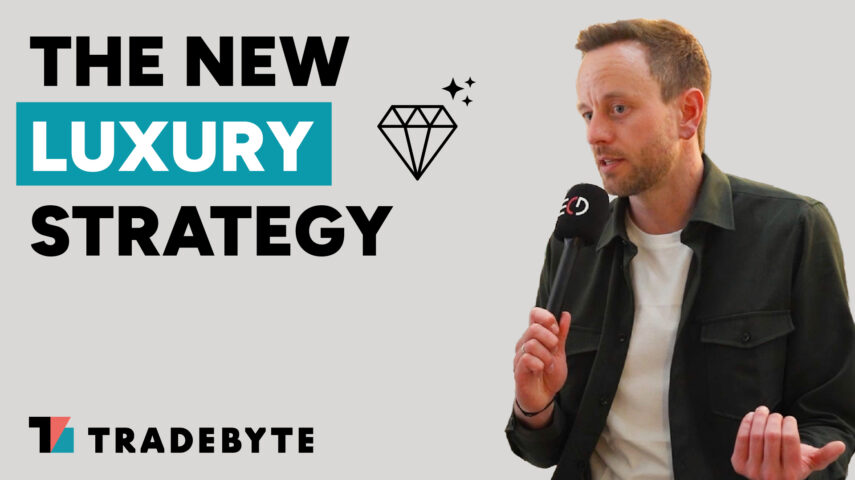
Before diving into the mindset of the next generation of shoppers, it’s crucial to understand how modern brands are technically shifting to meet them. In this quick interview, Stefan Röttger (VP Growth at Tradebyte) breaks down how premium luxury brands are moving away from traditional wholesale to embrace the flexibility of digital marketplaces. Discover how the right technology allows brands to test new regional demands and scale globally in a matter of weeks, rather than months.
The Gen Z consumer: shaping the discovery and curation of luxury products
The premium and luxury fashion sectors are experiencing a profound paradigm shift driven by a new wave of demographic power. This evolution is completely redefining how high-end brands must engage with an audience that values digital sophistication and cultural resonance over traditional notions of affluence. As of this year, Gen Z already accounts for around 40% of global consumers (Forbes: The Great Gen Z Chase), set to rise to 85% of the luxury consumers by 2030 (along with Millennials) (Tradebyte: Your Growth Driver in Luxury and Premium DTC). This generation of consumers already display a change in shopping behavior, driving AI-driven and algorithmic product discovery.
33% of Gen Z luxury consumers now use AI as their primary research tool (Tradebyte: 2026 Luxury in the Age of Algorithms). Either to search for discount opportunities, or to discover the best prices across different marketplaces, the use of AI has been an increasing behavior surrounding the new consumers. Brands have to now think about how to best position their products to be visible in algorithmic and key-word driven AI platforms. Moreover, social media plays a crucial role in inspiring this new generation, where 57% of young luxury buyers use social media at the very beginning of their purchase journey (Kantar: “Luxury: New Desires” Report).
Fashion is for this newer generation of consumers much more than just the clothes they wear, but rather a form of expressing themselves.
For this reason, Gen Z tends to choose clothing that best displays their personality and tastes. This leads to noticeable mix-and-match consumption, where consumers blend luxury and streetwear products to express their individuality and optimise pricing, as well as seek variety. This is a noticeable shift from the old “quiet luxury” towards highly expressive “digital maximalism”. This new behavior makes the current generation less brand loyal, which pushes brands to not just offer a variety of styles, but also provide a whole experience within their product.
Curated marketplaces as the go to shopping destination
In the context of premium and luxury digital retail, a curated marketplace differs greatly from the mass-access of traditional e-commerce. Curation means the deliberate execution of identity-led commerce. Rather than overloading consumers with endless product walls, a curated platform selectively aggregates brands, content, and products that align with a highly specific aesthetic or lifestyle. In this environment, technical data is transformed into a narrative of craftsmanship, and algorithmic search is optimised to preserve brand prestige. Curation is the tool that successfully translates a fashion house’s physical boutique exclusivity into a scalable digital ecosystem.
For the emerging next-gen consumer, shopping is rarely a purely transactional event; it is an act of identity expression and subcultural belonging. Gen Z consumers reject the rigid “total look” styling of the past in favor of a hybrid “mix-and-match” consumption pattern, frequently pairing high-end heritage accessories with premium contemporary streetwear.
Curated platforms serve as the ideal playground TO REACH GEN Z
-
OMNICHANNEL JOURNEYS
While Gen Z is a digital-native cohort, 60% of young US shoppers still utilise physical boutiques for tactile product discovery and social interaction (PwC Global Retail Insights: “Are you ready for the next era of retail?”). Many curated marketplaces bridge this gap via unified data ecosystems, allowing a consumer to discover an item on social media (where 57% of young buyers begin their journey) (Kantar: “Luxury: New Desires” Report), interact with it digitally, and seamlessly transition to a physical store.
-
CIRCULAR MODELS
Younger cohorts increasingly view luxury through the lens of circularity. Curated marketplaces that seamlessly blend a primary market assortment with verified “pre-loved” or resale options allow Gen Z to access premium goods in a way that satisfies their ethical standards and community values.
-
ALGORITHMIC TRUST
This generation relies heavily on advanced personalisation. They trust curated digital environments to curate their lifestyle and closet serving them tailored inspiration.
Here are a few examples of curated marketplaces
…that provide premium and luxury brands with a distinct environment in which they can reach this young cohort:

Breuninger
Focused on the DACH region, Breuninger is a leading premium and luxury department store, establishing itself as a ‘truly customer-centric fashion marketplace.’ As a strategy to attract the Gen Z consumer, Breuninger focuses on identity-led curation, ensuring that brand heritage and craftsmanship are highlighted through the right storytelling. This allows brands to maintain exclusivity while leveraging the reach of a marketplace that combines physical shopping experience with digital scale.

fashionette
As a leader in the premium and luxury segment, fashionette is specialised in handbags, shoes, and accessories. In order to attract the Gen Z, fashionette invested in the mix-and-match segment, combining high-end accessories with daily fashion, and since 2023 addressing the priority of the new generation for resale luxury items within its platform.

Secret Sales
Emerging as a heavily curated, off-price marketplace, Secret Sales pioneers as a luxury off-price platform, allowing younger audiences to enter the premium ecosystem at an accessible price point. Most importantly, it maintains a curated environment, enabling luxury brands to maintain strict pricing control and safeguard their primary market equity, while avoiding the discount culture of the mass market.
About You
Well known for its personalisation and subcultural niche, About You is one of the main choices of Gen Z in terms of curated premium luxury fashion. The platform provides a wide possibilities of mix-and-match opportunities, combining premium trainers with premium accessories. Moreover, About You is heavily successful in social media discovery, as it uses influencer-led discovery and a personalised user experience to mirror the “digital maximalism” trend.

FARFETCH
With 71% of its audience being Gen Z and Millennials, FARFETCH is your go to platform to reach the younger cohorts. It balances global reach with the advantages of localisation, covering the demand of Gen Z consumers for a curated shopping environment. FARFETCH allows their partner labels to maintain full control over their presentation, promotional calendar, and merchandising, helping them to cultivate their unique brand identity.

Nordstrom
With a strong presence in the US market, Nordstrom is a highly curated environment that aligns with Gen Z’s shopping habits. Known for its omnichannel leadership, Nordstrom provides a seamless transition between URL and IRL, with easy in-store returns for any type of purchase. Instead of losing control to traditional wholesale discounting, Nordstrom allows brands to retain the final word on their pricing strategies and product storytelling.
Curating your brand online: how to choose the right marketplace partner
To achieve a successful online expansion, luxury brands must evaluate potential marketplace partners based on their capacity for algorithmic control and data transparency rather than simple audience reach. Finding the right marketplace fit means selecting a platform whose technical infrastructure natively supports Answer Engine Optimisation (AEO). This capability ensures that next-gen AI search engines and digital concierges recognise a fashion house’s distinct heritage, value, and craftsmanship rather than merely indexing them by price. Consequently, when assessing which marketplace network to join, luxury brands must avoid mass-market platforms with algorithmic rankings that favour discounting. Instead, they must prioritise curated environments that allow them to deploy high-fidelity metadata as a shield, ensuring their brand sovereignty and value presentation are fully preserved.
Moreover, searching for a marketplace that provides seamless connections across platforms, as well as the transition from digital to physical, will play a major role in attracting younger generations. Finding marketplaces that provide a flawless digital interaction, unifying data across all touchpoints to provide a clear experience on digital marketplaces, while the physical boutique mirrors these capabilities, is the go-to place to display your product and thrive within the current younger demographic.
FIND YOUR NEXT PLACE TO BE
Tradebyte offers a diverse network of luxury and premium marketplaces so your brand can easily reach Gen Z across Europe and beyond. Find the best marketplace fit for your brand in our network of 90+ marketplaces.
Learn more about luxury e-commerce strategies and what truly defines success
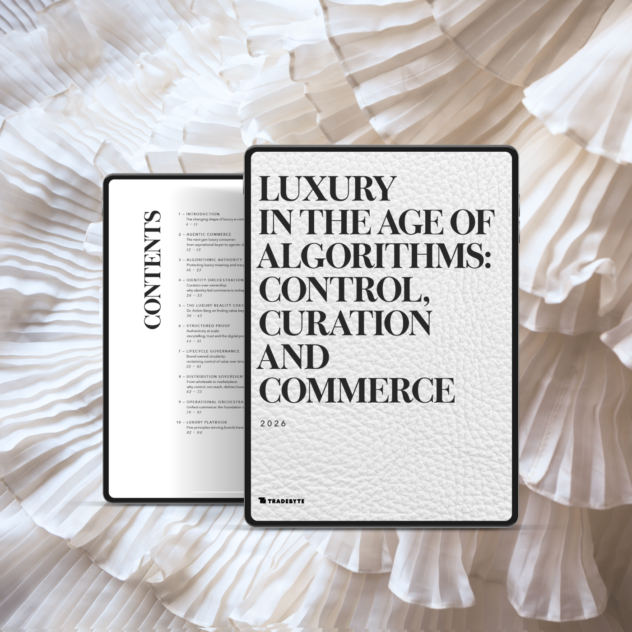
The shift from search-driven to discovery-led commerce is the defining pivot of 2026. To maintain sovereignty, you need more than reach – you need strategic control. Backed by Tradebyte’s data and expert insights from Dr. Achim Berg, founder of FashionSIGHTS and former McKinsey senior partner, our report provides the strategic playbook to reclaim your authority.

Nina Fischer
Editor
Nina Fischer is an experienced content writer at Tradebyte, specialising in fashion and luxury e-commerce, marketplace growth, and social commerce.
news