Is 2026 the year of “luxury hangover”? Insights from Dr. Achim Berg
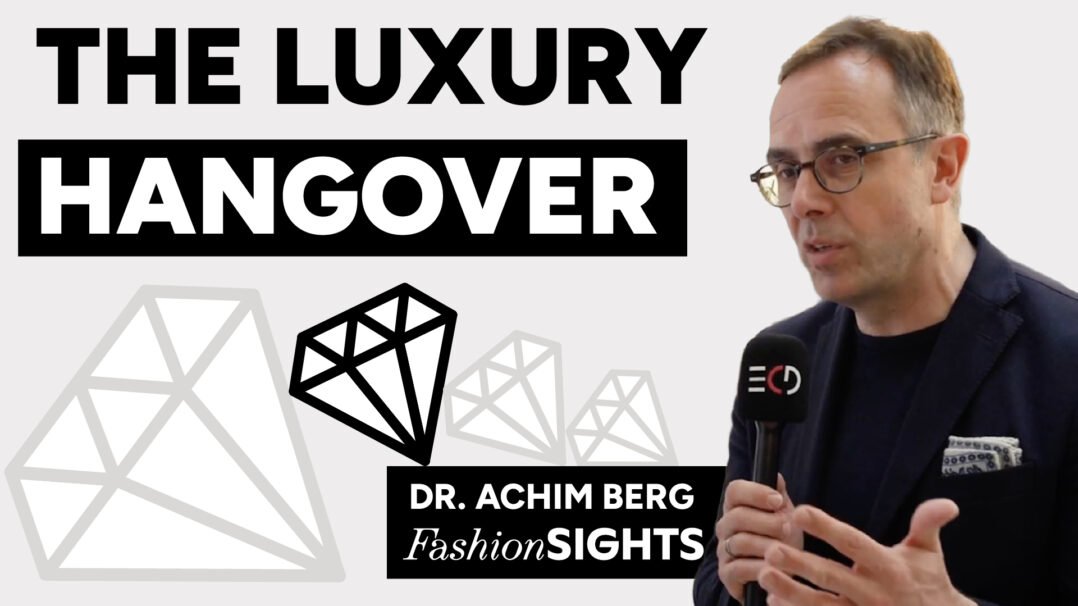
At ECD Premium II in Milan, we sat down with Dr.Achim Berg to discuss the strategic evolution of luxury e-commerce. The current luxury market is observing a subtle slowdown, characterised by declining sales volumes, inflated prices, and fading consumer fascination. Dr. Achim Berg states that this isn’t a sign that the “party is over,” but rather an opportunity for brands to reflect, rebuild their authenticity, and capture the market with new, bold ideas.
Key takeaways
- The 2026 luxury market slowdown is forcing brands to correct historical price exaggerations and return to heritage craftsmanship and authenticity to rebuild consumer trust.
- Relying exclusively on pure Direct-to-Consumer (DTC) models limits market reach across highly fragmented digital discovery journeys.
- Integrating a hybrid approach, combining DTC and wholesale e-commerce, allows brands to scale with marketplaces and online luxury platforms.
A LOOK INTO THE CURRENT MARKETPLACE STATUS FROM THE LENSES OF DR. ACHIM BERG
The current luxury market is facing a slowdown. Prices are higher, which reflects directly on customer consumption and connection with the brands.
But what could be a red light for proceeding in this market, is seeing as green light for innovation, renovation, and partnership. In today’s interview, talking directly from ECD Premium II in Milan, we had the honor to talk with Dr. Achim Berg, founder and managing director from FashionSIGHTS, to discuss how to deal with the current soft market.
Watch the full interview here:
3 lessons from Dr. Achim Berg
1. How can luxury brands rebuild consumer trust during the 2026 market slowdown?
Luxury brands must correct recent price exaggerations by refocusing on heritage craftsmanship and authentic product value. This strategic pivot directly addresses critical shifts in modern consumer spending. Recent data from IDHL Agency reveals that 41% of luxury shoppers have reduced their discretionary spending explicitly due to aggressive price increases. Because brand pricing has outpaced perceived customer value, the industry is experiencing a temporary drop in consumer fascination – a phenomenon Dr. Achim Berg defines as a “luxury hangover.” Instead of chasing short-term volume outcomes, brands must leverage this market pause to reinvest in the core emotional values and extraordinary experiences that define true luxury.
2. Why must luxury brands move from pure DTC dreams to a multichannel approach?
A pure DTC model limits reach across fragmented customer discovery journeys, highlighting the critical need for a hybrid sales architecture. Gaining full control over all distribution channels is a dream for many luxury brands. But in a retail market highly dependent on wholesale partners, experience has proven that relying solely on DTC (Direct-to-consumer) channels makes brand-building across markets incredibly difficult. Supporting this thought, Dr. Achim argues that a great solution to prevail in such a soft market would be to blend already owned DTC channels, wholesale channels (retail and e-commerce), and marketplace platforms. This multichannel approach allows brands to connect with their loyal customer base while expanding their reach in new markets – without diluting their brand values.

3. Why is curation the key?
Combining DTC and wholesale allows a brand to join an ecosystem of complementary labels, creating the targeted curation that modern, lifestyle-driven consumers crave. The opportunity to mix and match different styles transforms these retailer environments from mere “points of sale” into highly influential “points of view” where young consumers go to explore. Rather than asking whether a brand should sell across channels, the question should be which products to place where. By embracing this synergy, luxury labels do not lose their identity; instead, they become embedded in the consumer’s lifestyle, turning calculated proximity into a powerful opportunity for discovery.
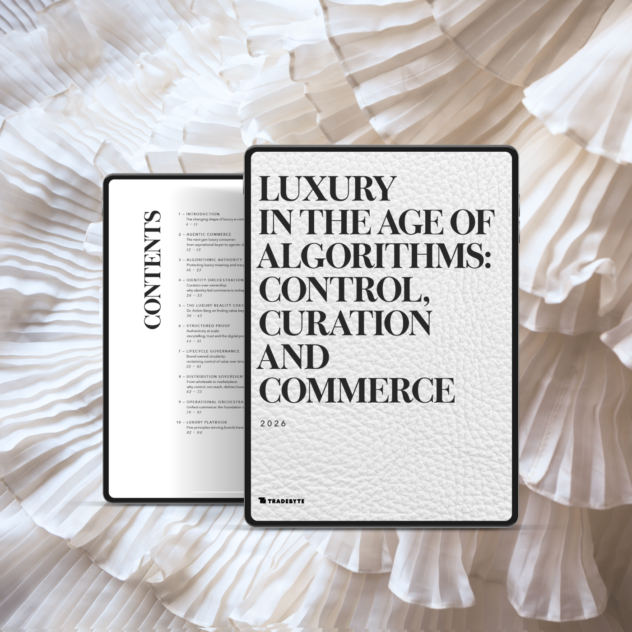
Want to dive deeper into the data and strategies shaping the digital retail landscape in luxury?
Download our newly released Luxury e-commerce in the age of algorithms. Backed by Tradebyte’s proprietary data and more expert insights from Dr. Achim Berg, the report provides the strategies to reclaim control and maintain sovereignty in this new era of luxury e-commerce.

Nina Fischer
Editor
Nina Fischer is an experienced content writer at Tradebyte, specialising in fashion and luxury e-commerce, marketplace growth, and social commerce.
news